Physiotherapists live in the slipstream between function and feeling. We work to bring back activity, yes, but every plan hinges on whether a person can endure the trip. Pain flexes pose, hinders sleep, distorts electric motor control, and can digestive tract an encouraging rehabilitation program. That is why formal pain administration training, and especially the national system PUAEME008 Provide pain monitoring, deserves a clear explanation from a physical rehabilitation perspective. Many clinicians hear the code, understand it connects to prehospital and emergency situation contexts, and wonder just how it converts to daily method. The short solution: it adds a strong, safety-focused layer to your clinical skill set, particularly for sharp pain circumstances, immediate treatment setups, outreach job, and multidisciplinary environments where timely analgesia and organized evaluation matter.
Where PUAEME008 suits the landscape of pain education
Pain administration courses can be found in many flavors. Some target the biopsychosocial viewpoints underpinning consistent pain. Others focus on pharmacology and governance, usually created for nursing or paramedical personnel. After that there are brief programs suffering management that concentrate tightly on acute presentations: bone and joint injury, postoperative discomfort in community setups, or extreme flare-ups of persistent conditions. PUAEME008 beings in that last team. It is a useful, competency-based system constructed around the secure delivery of short-term analgesia within specified protocols, coupled with organized analysis, documents, and escalation.
For physiotherapists that supply treatment in urgent treatment, sports sideline settings, area and rural outreach, or integrated primary care hubs, the unit sets well with core physio skills. It does not change a certification course suffering monitoring that checks out main sensitization or motivational talking to, and it is not an alternative to an extensive pain administration qualification that spans months. It is a concentrated credential that enhances acute pain decision-making under professional governance.
What "provide discomfort management" means in this context
PUAEME008 Give pain management includes three columns: assessment, intervention within scope, and analysis with documents. Analysis is not simply a 0 to 10 numeric score. It asks you to collect system, red flags, comorbidities, allergies, and potential drug communications, after that determine if on-the-spot analgesia is proper or if you need to escalate to healthcare. Interventions covered typically focus on authorized, protocol-driven options like inhaled analgesia or oral agents allowed in your jurisdiction and office plans. The assessment item is thorough: reassess discomfort at specified intervals, observe for unfavorable results, and document to make sure that the next medical professional obtains a tidy handover.
Physiotherapists are normally educated to believe motion first. In the intense setting, movement depends upon pain tolerability and safety. With PUAEME008, you are educated to decide, within your extent and local permission, whether temporary analgesia helps you perform a much safer analysis, minimize distress, and help with transportation or recommendation. The unit likewise hones your judgment regarding when not to give analgesia, such as in thought stomach emergencies needing surgical review or in head injury where transformed mental status clouds the picture.
What the unit normally covers
The specifics differ by carrier, yet a strong pain monitoring course lined up to PUAEME008 shares common strings: foundational discomfort science, threat testing, pharmacology fundamentals pertinent to frontline treatment, non-pharmacological techniques you can implement instantly, and durable protocols for paperwork and handover. The training normally involves simulated circumstances with time pressure and incomplete info, which mirrors real-life conditions remarkably well. You can expect ability terminals on inhaled analgesia pain management courses for nurses if permitted in your area, functional opioid safety discussions, and acknowledgment of damaging responses like hypotension, respiratory system anxiety, or paradoxical agitation.
A well-run program will worry systems thinking. Discomfort management training is not just about the medicine; it is about radios that work, package checks that capture ending cylinders, and constant bookkeeping that shuts security loops. As a physiotherapist, you will identify the parallel to taping tables checked before sport, or thrust examinations standard for inter-rater integrity. PUAEME008 is that attitude, applied to severe pain.
Why physio therapists benefit
Pain is the rate-limiting consider numerous physiotherapy paths. Acute side ankle sprains, rib contusions, back flare-ups, adhesive capsulitis during severe stages, and post-fracture tightness all test the individual's limit. In team sporting activities and neighborhood emergency situations, you may be the elderly medical professional on scene. Structured training allows you to maintain, soothe discomfort safely, and refer with tidy paperwork. In facilities that support post-surgical clients, the ability to recognize poorly controlled pain early, adjust non-pharmacological procedures, and intensify or communicate with clinical coworkers can protect against problems like motion avoidance and readmission.
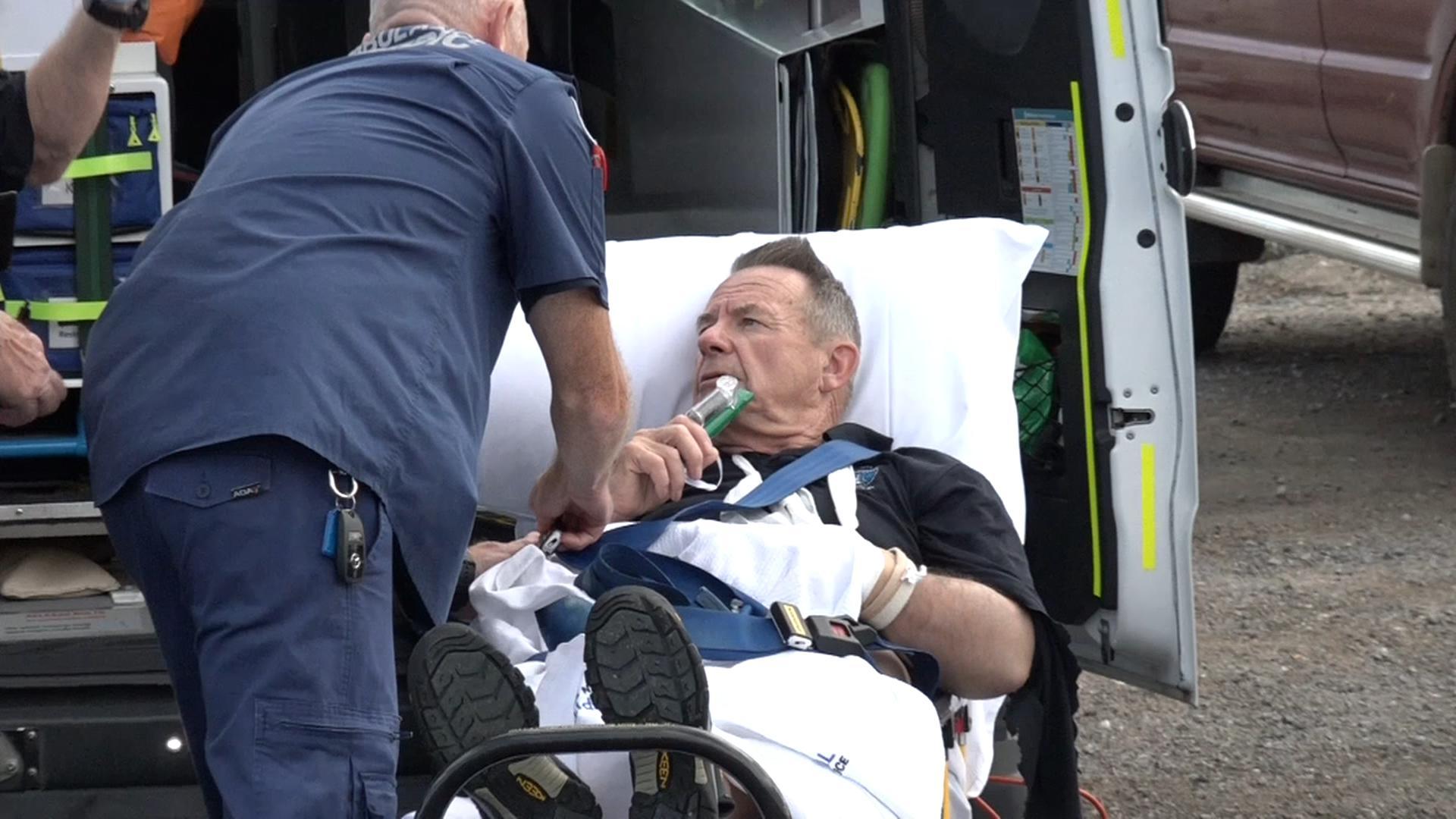
I remember a Saturday early morning center in a country community, where the local urgent care was an hour away. A farm worker got here with a thought rib crack after being crushed briefly by a gateway. Without training, the default would have been to incapacitate and send him on. With discomfort monitoring training and proper protocols in place, we used a short-acting inhaled representative, monitored him very closely, and enhanced his ventilation enough to lower splinting. That made transportation safer and his distress workable. The distinction was not brave medicine, it was methods carried out properly.
Comparing training course types for various clinicians
Physiotherapists typically share discovering spaces with registered nurses and paramedics suffering management training programs. The diversity aids. Nurses bring deep drug safety and security experience, while physios include mechanical analysis and movement-focused approaches. The overlap focused the unit enhances interprofessional interaction. Pain monitoring training for nurses may lean more on medicine handling and administration policy. Pain monitoring training courses for physiotherapists often emphasize analysis connected to function, supporting positions, and immediate movement approaches that lower nociception. When blended mates learn with each other, they assemble on a common language of danger and reaction, which brings right into everyday collaboration.
For those that want more comprehensive deepness, a discomfort monitoring accreditation course or a longer certificate course in pain management can discover persistent pain neurobiology, graded direct exposure, cognitive techniques, and case-coordination. Short training courses hurting administration, consisting of PUAEME008, fit best when you need to hone emergency discomfort monitoring and acute decision-making.
Scope, consent, and the reality of practice
A bottom line: PUAEME008 Give pain administration is not a free pass to administer anything you like. Scope continues to be connected to laws and company policy. Also within protocol-based authority, you will be led by inclusion and exemption standards, dosage arrays, tracking demands, and compulsory coverage. Prior to you book, check whether your practice setting licenses non-medical clinicians to offer specific agents. Private facilities might need a standing order or medical governance. Sporting companies may currently have a policy structure for match-day protection. Community wellness solutions typically have actually established medication registers and audit pathways.
The finest providers of pain monitoring training programs will certainly inquire about your setup and dressmaker practical parts to what you can in fact apply. If you can not administer inhaled analgesia where you function, you can still gain from advanced analysis drills, non-pharmacological devices, and rise preparation. The certification you receive should show the expertises you were examined against, not theoretical permissions.
Core skills the unit sharpens
Pain assessment relocates past asking just how negative it is. With the device, you find out to triangulate seriousness with impact, pattern, and red flag displays. System overviews suspicion. An inversion injury with a high-grade strain presents differently to a midfoot injury where you might need to dismiss a Lisfranc injury. Rib pain with crepitus and shallow breathing elevates concerns concerning pneumonia danger if splinting lingers. A tidy discomfort monitoring certification demonstrates that you can connect this reasoning to immediate activities, not simply chart notes.
You will additionally practice titration and review. Several analgesic choices work best when you supply the tiniest reliable dosage, after that reassess right away. The training course trains you to label time points, capture crucial indications, and anchor discomfort adjustments to functional outcomes like boosted gait or ability to take a full breath. That useful lens is where physio therapists stand out, and the device provides you language to document adjustments with precision.

Non-pharmacological devices remain central
Even in a give discomfort administration training course, the non-drug approaches are prominent. Positioning can de-load cranky tissues in seconds. A person with severe lumbar discomfort may endure side-lying with small hip and knee flexion much better than supine. Mild isometrics for the rotator cuff can moisten pain with spinal-level gating. Ice or warmth still have a place, but just when client preference and cells state align. For rib trauma, we commonly incorporate lateral costal growth breathing with supported coughing techniques to stop atelectasis, due to the fact that well-managed auto mechanics lower discomfort through both physiology and perceived control.
A strong course will show you to pair these methods with analgesic alternatives when appropriate. The harmony matters: a tiny reduction suffering can unlock movement, and activity can further lower discomfort. That virtuous cycle underpins enhanced results after the intense phase.
Documentation that stands under scrutiny
In the rush, paperwork feels like a duty. In truth, it is a safety net and a gift to the next clinician. PUAEME008 stresses clear, clear, time-stamped notes. Record standard vitals, discomfort score, and place. Note allergies, current medicines, and the choice path to provide or hold back analgesia. If you provide a medicine, include dosage, route, great deal number when required, time of administration, observed response, and unfavorable effects. For physio therapists, include practical observations: assisted sit to stand boosted from maximum to modest help after treatment, stride range enhanced from 5 to 25 meters, or thoracic expansion improved by 2 centimeters at the axillary line. Those information make your handover actionable.
Patient interaction and assumption setting
People bear in mind how you made them feel throughout discomfort episodes. Discuss what you are doing, why, and what to expect. If supplying breathed in analgesia, define the start, potential side effects like dizziness, and just how you will certainly monitor them. If you select not to provide a drug due to red flags, state so clearly and describe the prepare for immediate reference. That transparency constructs count on. For persistent discomfort flare-ups, structure your non-pharmacological methods as energetic options, not consolation prizes. Show small, possible activities that demonstrate instant control. When a person notifications a 20 percent change suffering with breath-coordinated movement, they lean in.
Quality and safety culture
The best pain administration training courses make security noticeable. Tools checks end up being routine. Group briefs go through functions if a person deteriorates. Simulation includes rare but essential occasions such as anaphylaxis or abrupt hypotension. After every scenario, debriefs explore both technological and non-technical abilities: situational recognition, interaction, and work administration. If your office does not yet have a formal structure for this, bring the practices you discover back to your team and begin tiny. A regular five-minute huddle and a shared supply list are modest steps that avoid problems.
Selecting a service provider that matches your needs
Not all training courses are equivalent, and physio therapists should look for a program that values their scope and matches their staminas. Go for a carrier with seasoned trainers from emergency situation, paramedicine, or innovative nursing, that additionally recognize allied health and wellness contexts. Analysis must be authentic, with observed useful parts, not just a multiple-choice examination. Scenario realistic look issues. Ask if they consist of documents drills, handover technique, and non-pharmacological techniques along with pharmacology. Confirm that the pain management certification you get states the system code PUAEME008 and the proficiencies examined, considering that this alleviates recognition with companies and credentialing bodies.
If your goal is wider than severe treatment, take into consideration pairing PUAEME008 with a longer discomfort monitoring accreditation program that explores consistent pain. Several physiotherapists benefit from that mix: severe stablizing skills with deepness in rehabilitation-oriented discomfort science.
How the device plays out in day-to-day physiotherapy
Picture an active bone and joint center on a Monday. A client arrives article ankle joint inversion with swelling and safeguarded movement. You evaluate for Ottawa ankle joint rules, record weight-bearing status, and determine no warnings. Non-pharmacological actions bring their discomfort from 8 to 6, yet they still can not tolerate talocrural joint assessment. Under protocol and with authority, you give a short-acting analgesic, monitor, and within minutes reassess. Currently you can go through stress tests, validate likely quality, offer a useful brace, and develop early loading parameters. The improved experience sets the tone, and your strategy sticks.
Now shift to an area home check out. An older grownup with osteoporotic vertebral crack is hyperventilating and guarding. You coach breathing and mild positional adjustments, but the pain remains extreme. You call the task clinical policeman, rise appropriately, and paper extensively. Also if you can not provide analgesia, your PUAEME008 training develops your handover, rates care, and maintains the patient safer.
Governance, audit, and the long memory of systems
Any work environment that permits non-medical clinicians to provide analgesia ought to have tight administration. That includes controlled storage, stock settlement, expiration surveillance, and event reporting. PUAEME008 enhances this with functional routines. The device teaches you to track patterns: Are you regularly requiring extra doses for comparable discussions? Are unfavorable effects clustering at specific times or in particular settings? That comments loop brings about protocol updates and better results. In sporting activities programs, for example, fad evaluation could transform sideline policies for hydration and warmth monitoring, which indirectly reduces pain episodes and cramping.
Integrating with broader pain education
If PUAEME008 is your initial structured pain management program, you will likely finish hungry for even more. That is the best sensation. Acute pain competence is a foundation. From there, consider courses on persistent pain that cover graded motor images, discomfort education methods crafted for pain management certification programs various health literacy degrees, and pacing techniques that secure function without driving anxiety. Physio therapists concentrating on complicated pain often pursue a pain management accreditation with university-affiliated programs or colleges, occasionally stacked as micro-credentials. Those paths complement the emergency pain monitoring focus of PUAEME008, giving you a complete spectrum from first-hour care to lengthy arc rehabilitation.
Cost, time, and realistic expectations
Most suppliers supply PUAEME008 in a one to two day layout, with pre-reading to speed up the functional job. Prices vary by area and service provider, frequently landing in a variety comparable to other short training courses hurting monitoring. What issues greater than duration is the intensity of simulation and top quality of evaluation. Anticipate to overcome fatigue and obscurity. Anticipate to be observed and to get direct comments. If a course provides a quick certificate without sweat, look elsewhere.

Remember that a pain administration certification is the beginning of your authorization trip, not completion. Your company needs to identify the unit, your range needs to be documented, and you ought to finish office inductions particular to medicine handling and case administration. Keep duplicates of all records and guarantee your professional indemnity covers the activities you mean to perform.
A short, useful framework physio therapists can apply tomorrow
- Screen fast for warnings, allergies, and recent medications, after that choose: analgesia now within range, or immediate escalation. Pair small analgesic gains with accurate motion treatments that reveal immediate function modification, also if modest. Reassess on the clock: capture vitals and useful markers at pre-set intervals, not "whenever." Document as if handing the situation to a colleague you respect, due to the fact that you most likely will. Debrief each instance with your team and update regional lists if you spot system flaws.
Edge instances and judgment calls
Practice hardly ever complies with the manuscript. Clients under-report discomfort out of stoicism or worry of medications. Others over-report out of stress and anxiety or previous unfavorable experiences. Language obstacles make complex scales. Inhaled representatives can cause transient bliss that confounds analysis, so you need to divide impact from analgesia. Rib trauma clients can degrade regardless of stable early vitals. People with chronic opioid usage may not react to conventional doses, which attracts escalation that surpasses range. PUAEME008 does not make these problems go away. It gives you framework to browse them without hopeful thinking.
As a physiotherapist, your lens continues to be feature. Even in ambiguity, support decisions to whether the patient can breathe, move, and shield themselves safely. When unclear, intensify. No certification changes scientific humility.
Bringing it all together
Pain monitoring training courses assist clinicians reply to the most human part of their work: suffering. For physiotherapists, PUAEME008 Provide discomfort administration includes practical competence in intense circumstances, enhances interprofessional language, and boosts the means we link pain control to motion results. It does not set you up as a prescriber or discomfort expert on its own. It does not guarantee perfection in untidy cases. What it supplies is disciplined evaluation, more secure instant treatment, and documents that appreciates the next action in the chain.
When you pick a provider, seek scenario-rich training, actual analysis, and an educational program that honors your range. Make use of the pain management certificate as a bar to boost neighborhood governance and team regimens. Then keep going. Layer the unit with deeper research study in persistent discomfort, embed non-pharmacological proficiency, and use your unique physical rehabilitation skill set to turn brief analgesic windows right into durable useful gains. That is the work. It is sincere, usually unglamorous, and deeply worthwhile.